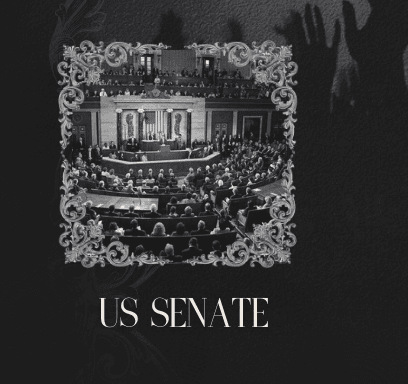
Throughout the 1970s to the 1990s, The USA showed its golden age of development. Unfortunately, that one sentence is not enough to sum up the big free nation of the 20th century we both know and love today. The United States Senate also addressed cultural controversies, international narcotics trafficking, and Cold War espionage within its permanent committee structure, reflecting the broad scope of national concerns during that period.
This committee will be focusing on 3 different topics that had huge effects on the nation, and you, the delegates, will be debating on how to solve each of them.
One major domestic controversy centered on explicit content in popular music. First topic to be addressed.
The rise of N.W.A. and other artists with confrontational lyrics intensified public debate about censorship, free speech, and youth influence. In 1985, hearings connected to concerns raised by the Parents Music Resource Center brought national attention to the issue. Although the parental advisory sticker was ultimately adopted by the music industry itself, political pressure and public scrutiny from senators played a significant role in pushing the industry toward self-regulation. The debate highlighted tensions between First Amendment protections and parental demands for clearer content labeling.
At the same time, the Senate examined the impact of international drug trafficking networks. Second topic to be addressed.
The expansion of the Medellín Cartel under Pablo Escobar contributed to a surge in cocaine entering the United States, raising concerns about crime, public health, and national security. Senate committees focused on foreign relations, the judiciary, and narcotics enforcement evaluated U.S. policy toward Latin America and regional stability. Relations with Cuba were also part of broader strategic discussions, particularly in the lingering shadow of the Cuban Missile Crisis and continued Cold War tensions in the Western Hemisphere.
Cold War rivalry shaped much of the Senate’s oversight work during these decades. And it will be the last thing the committee is going to address.
Ongoing tensions with the Soviet Union led to investigations into espionage, intelligence failures, and nuclear security risks. Matters involving foreign intelligence and counterintelligence were primarily overseen by the Senate Select Committee on Intelligence, established in 1976. Concerns about Russian spies and ideological confrontation influenced legislative debates and national security strategy throughout the late twentieth century.
Good luck senators, and may God bless our great nation.