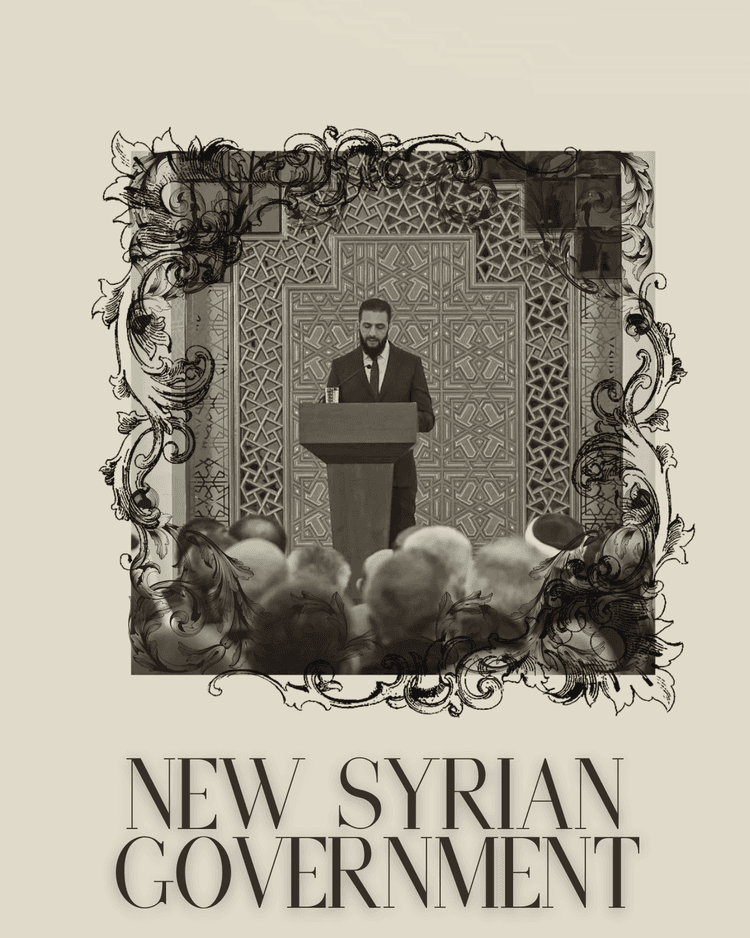
Since 2011, Syria has been caught in a harsh civil war involving the Assad government, opposition forces, Kurdish fighters, extremist groups, and several foreign powers. After more than a decade of conflict, Bashar al-Assad’s long rule ended in December 2024 when opposition forces captured Damascus. This created a power vacuum and opened a transition phase. In early 2025, Ahmed al-Sharaa was appointed transitional president. He dissolved the old institutions and established a constitutional declaration to guide a five-year transitional period focused on rebuilding state structures and legitimizing governance after years of authoritarian rule and chaos.
In March 2025, the new transitional government formed a cabinet representing various ethnic and religious groups. It began efforts to unify the country’s fractured institutions. A major focus has been integrating armed groups into a national framework and ending parallel authorities, especially in northeastern Syria where the Kurdish-led Syrian Democratic Forces (SDF) had held autonomy for years. The goal is to bring a long-disputed region back under central political and administrative control.
As of early 2026, Syria remains fragile and complex, despite significant progress toward a political settlement. Recent ceasefires and integration deals have reduced open conflict in the northeast. However, the transition still faces challenges, including ongoing distrust among communities, humanitarian struggles, and the need to address minority rights and displaced populations as the transitional government tries to stabilize and reunify the country. In the committee, you will be decision makers for the New Syrian Government. The fate of a country plagued by conflict for years is in your hands.