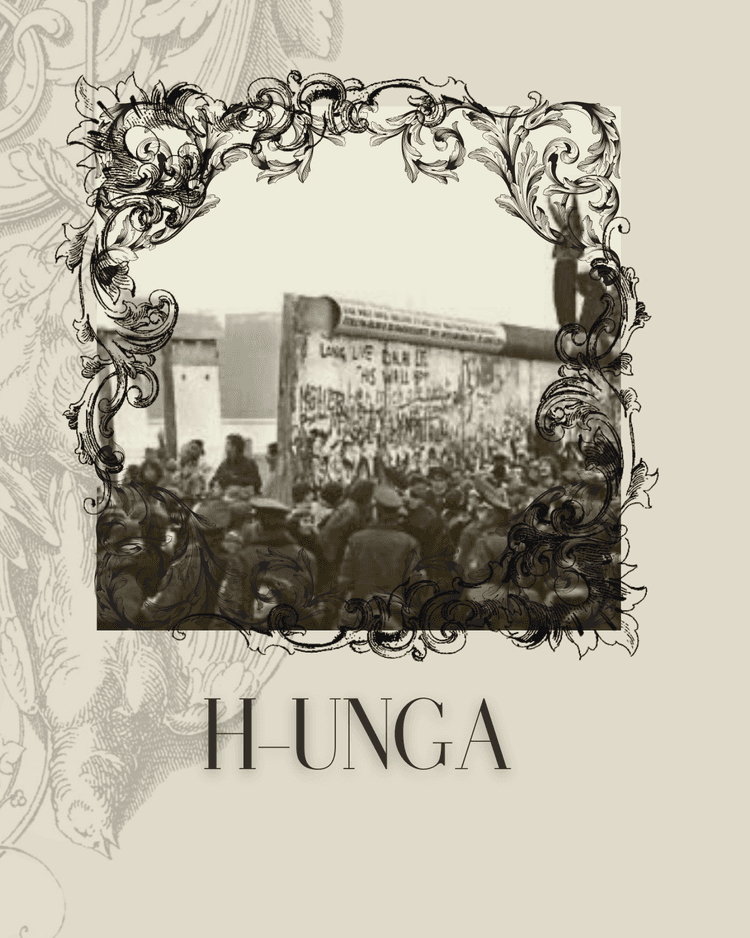
Beginning with its hasty construction on August 13, 1961, and for 28 years thereafter, the Berlin Wall stood as a grim symbol of the Iron Curtain that divided Western Bloc nations from the Eastern Bloc.
The decision to build the heavily fortified wall emerged from the Soviet Union’s desperate attempt to stanch the flow of thousands of refugees from East Germany to West Germany, with many escaping through West Berlin. The overnight construction of the wall cut an immediate divide between neighbors, families, and friends-many of whom would not see each other again for many years.
After standing for nearly 30 years amid increasing political, economic, and social pressures, the wall could no longer hold and fell on November 9, 1989.
This committee’s sessions will entertain debates on the geopolitical, social, political, and economic aftermaths of the fall of the Berlin Wall, while keeping the safety of citizens in mind and finding solutions to bring the rising escalation of political tensions and human rights violations in the region under control, in order to ensure safety in Europe by all means.